When a customer's payment fails on Stripe, an email is often the nudge that gets them to update their card and stay subscribed. But there's a massive gap between Stripe's default dunning emails and the kind of strategic email outreach that actually maximizes recovery.
How Stripe's Default Failed Payment Emails Work
Stripe allows you to send automated emails when a payment fails, but they come with significant limitations.
Configuration Path
To enable Stripe's default emails, follow this path in your Dashboard:
Settings → Subscriptions and Emails → Manage failed payments
Under the "Manage failed payments" section, you can toggle on email notifications for several
events: when a payment fails, when a retry is upcoming, and when a subscription is about to be canceled.
The Limitations of Stripe's Default Emails
✗
Carry Stripe branding, not yours
✗
Not personalized to the failure reason
✗
Not sent based on the customer's timezone
✗
Not coordinated with retry timing
✗
Feel transactional and impersonal
For many customers, these emails get ignored because they don't feel like they're coming from a brand they trust.
What Makes a Failed Payment Email Actually Work
Before we get to templates, let's talk about the principles that separate high-converting dunning emails from ones that get deleted:
Send from your domain
Customers trust emails from brands they recognize. An email from "noreply@stripe.com" doesn't carry the same weight as one from your company.
Personalize to failure reason
An email about an expired card should say something different than an email about insufficient funds. The customer's situation is different, and your message should reflect that.
Time it strategically
Send emails in the customer's local timezone, during business hours.
Coordinate with retry attempts so the customer isn't getting an "update your card" email right after a retry just succeeded.
Make card update
frictionless
Include a direct link to update payment information—ideally one that doesn't require logging in. Every extra step reduces completion rates.
Escalate progressively
Your first email should be casual and helpful. If the customer doesn't respond after multiple attempts, later emails can convey more urgency about upcoming access loss.
Proven Failed Payment Email Templates
Here are template frameworks for different stages of the dunning sequence. Customize the tone, branding, and details to match your product.
1
First Notice
Day 1 — Friendly heads-up
Subject Line:
Quick heads up about your [Product Name] subscription
Body Framework:
Open by letting the customer know there was a small issue with their most recent payment. Keep it casual—this happens to everyone. Let them know their
access isn't affected yet. Provide a single, clear call-to-action button to update their payment method. Close by reassuring them the fix takes less than a
minute.
Key Elements: Warm tone, no urgency, one clear CTA, sent within hours of the first failure
2
Second Notice
Day 3–5 — Gentle reminder
Subject Line:
Your [Product Name] payment needs a quick update
Body Framework:
Reference the previous email briefly. Mention the specific issue if possible (for example, "it looks like the card on your account may have expired"). Reinforce
the value they're getting from your product. Provide the update link again. Mention that you'll continue trying to process the payment.
Key Elements: Slightly more specific, value reinforcement, still friendly
3
Third Notice
Day 7–10 — Adds urgency
Subject Line:
Action needed: your [Product Name] subscription is at risk
Body Framework:
Be direct about what's happening—their payment hasn't gone through and their subscription may be canceled if not resolved soon. Briefly remind them what
they'll lose access to. Make the card update link prominently visible. Offer a secondary contact option (reply to this email, contact support) for customers who
might be having trouble.
Key Elements: Clear urgency without being aggressive, specific about consequences, multiple resolution paths
4
Final Notice
Day 14–21 — Last chance
Subject Line:
We don't want to see you go, [First Name]
Body Framework:
This is your final outreach before the subscription is canceled. Be empathetic—acknowledge that life gets busy. State clearly when access will end if payment
isn't updated. Include the update link one final time. Consider offering a small incentive (discount on next month, extended trial) to motivate action.
Key Elements: Emotional appeal, clear deadline, potential offer, final CTA
5
Win-back
After cancellation
Subject Line:
Your [Product Name] account is ready to reactivate
Body Framework:
A few days after the subscription has been canceled, send one more email. Let them know their account and data are still intact. Offer a simple reactivation
link. Consider including a special offer to come back.
Key Elements: No pressure, easy reactivation path, optional incentive
Why Templates Alone Aren't Enough
Templates give you a starting point, but the real performance gains come from intelligent orchestration: knowing which email to send, to whom, at what time, and how to coordinate it with payment retries.
Bad Timing
Sending a "please update your card" email
30 minutes before a Smart Retry succeeds
creates a confusing customer experience.
Wrong Message
Sending the same generic email to a
customer whose card expired versus one
whose bank flagged the transaction misses
the opportunity to be helpful.
Poor Scheduling
Sending emails at 3 AM in the customer's
timezone means they'll be buried by
morning.
This is exactly the problem FlyCode solves. Email templates need intelligent orchestration to deliver real results.
How FlyCode's AI Email Outreach Works
FlyCode doesn't just send emails—it orchestrates them in coordination with every other recovery action happening on the customer's account.
Stripe Default Emails
✓
Generic templates
✓
Stripe branding
✓
Fixed schedule
✓
No personalization
✓
Random timezone
FlyCode AI Emails
✓
Coordinated with retry timing
✓
Your domain and branding
✓
Customer's local timezone
✓
Decline code-specific messaging
✓
Optimized deliverability
Smart Coordination
FlyCode's email models know when a retry
is scheduled and time the email accordingly
—sending it after a retry fails, not before
one succeeds.
Timezone Optimization
Every email is sent in the customer's local
timezone during optimal engagement
windows.
Context-Aware Messaging
Messaging adapts based on the decline
code: an expired card email reads
differently than an insufficient funds email.
Your Brand, Your Domain
Emails are sent from your verified domain
with your branding, maximizing trust and
sender reputation.
Deliverability Best Practices
The system uses the best sender score and
deliverability practices, rotating subject
lines and sender addresses to avoid fatigue.
Complete Recovery System
FlyCode's emails are just one layer of a
complete system that includes AI-
optimized retries, backup payment routing,
and failed payment walls—all working
together.


Simply boosts failed payment recovery rate by 33%
Simply is the AI-powered creative learning platform behind Simply Piano, Simply Guitar, Simply Sing, Simply Draw, and more. FlyCode recovers the failed subscription payments that would otherwise slip through, turning them into recovered revenue automatically.
4.2%
Increase in payment recovery
8X
ROI
33%
ROI
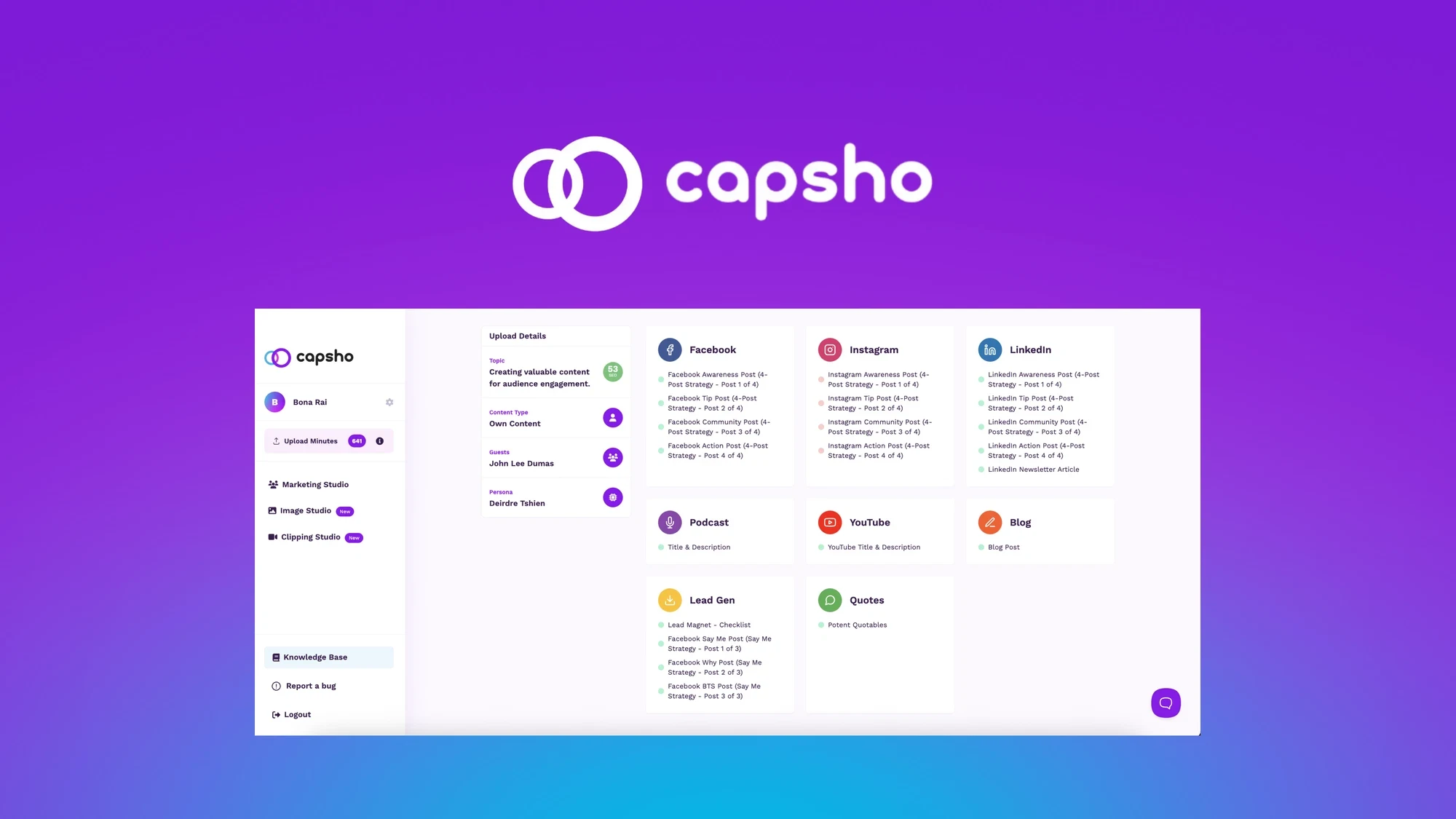

Capsho boost recovery rate from 63% to 91%
By integrating FlyCode into their Stripe account, Capsho achieved a substantial uplift in revenue with a clear ROI.
>23X
Increase in payment recovery
45%
ROI


GitBook boost ARR by 8% with FlyCode
GitBook is a modern documentation platform that helps teams create, maintain, and share beautiful product documentation. With thousands of businesses worldwide relying on GitBook for their technical docs, the platform has become essential infrastructure for developer-focused organizations serving customers in 100+ countries.
>11x
Increase in payment recovery
10.5%
ROI
Stop leaving revenue on the table
See how FlyCode recovers more failed payments and stabilizes your Stripe balance.
Get Started with FlyCode →